My career is a single thread: how do you build digital systems that engage people without exploiting them? A decade in live service games — Supercell, PopReach, Hothead — gave me the metrics side of that question. Now I'm on the engineering side, building the AI systems where the same tension plays out.
Every company I've worked for optimizes for engagement, retention, and monetization. At Supercell I managed products with millions of daily users. At PopReach I increased revenue 50% in four months. At Hothead I built the LiveOps infrastructure from scratch. The metrics were always the same: DAU, retention curves, ARPDAU, LTV.
The harder question was always the ethical one. There's a dial in every LiveOps system that controls how much pressure to apply — turn it up and the numbers go up, at least for a while. I spent years arguing for the line before that dial went too far. It wasn't always a popular position.
AI systems have the same tension, often worse. The feedback loops are tighter, the personalization deeper, and the line between "genuinely useful" and "engineered to feel indispensable" is harder to see from the inside. I'm building systems where the engagement is earned — where the reason someone comes back is that the tool actually helped them, not that it was designed to make leaving feel like a loss. Same fight, different medium.
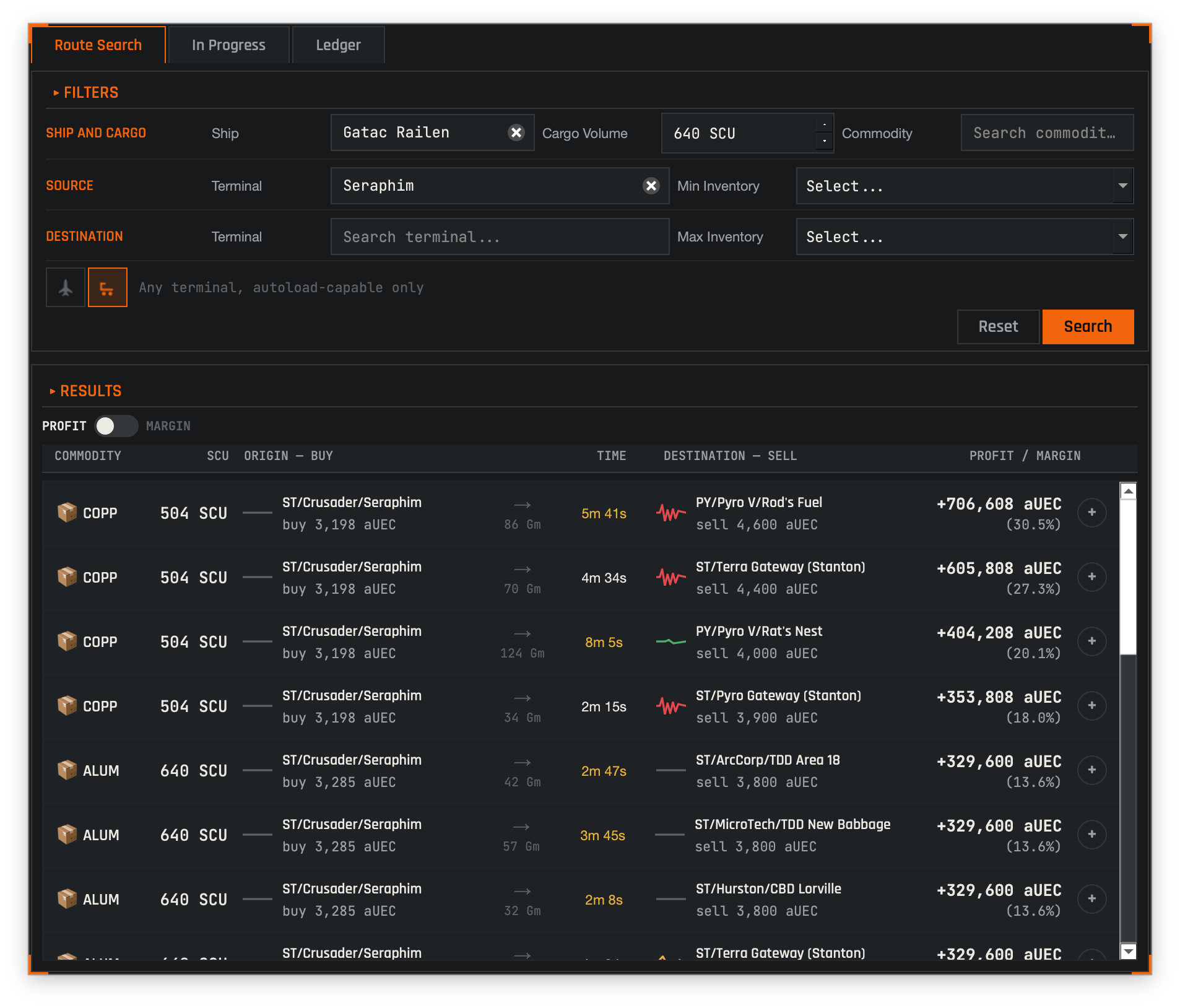
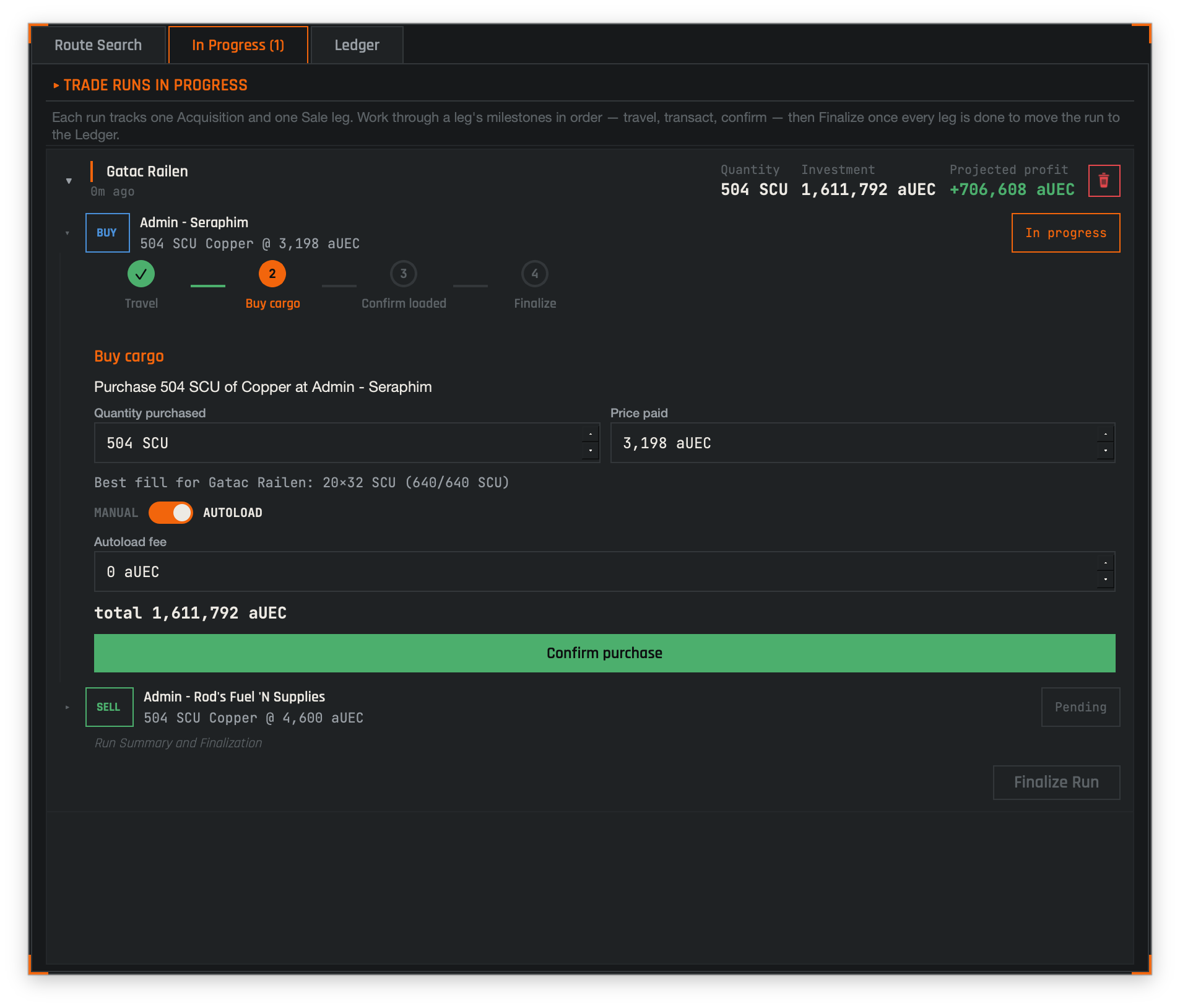
A voice-activated AI assistant for Star Citizen traders. Talk to it while you play — it pulls live market data, scores trade routes by actual profit per hour, and tracks your runs in a persistent ledger it learns from over time.
Push-to-talk captures voice on the client, faster-whisper transcribes locally on CPU, the LangGraph agent runs server-side and calls the right tools, ElevenLabs streams audio back. The whole round-trip targets under four seconds while Star Citizen is running on the same machine.
The trade route tracker is the active feature: a structured ledger of buy/sell legs the agent writes to via tools, and reads from when scoring new routes. Profit per hour — factoring in real load and unload times from prior runs — is the ranking signal. Built to be a real tool, not a demo.
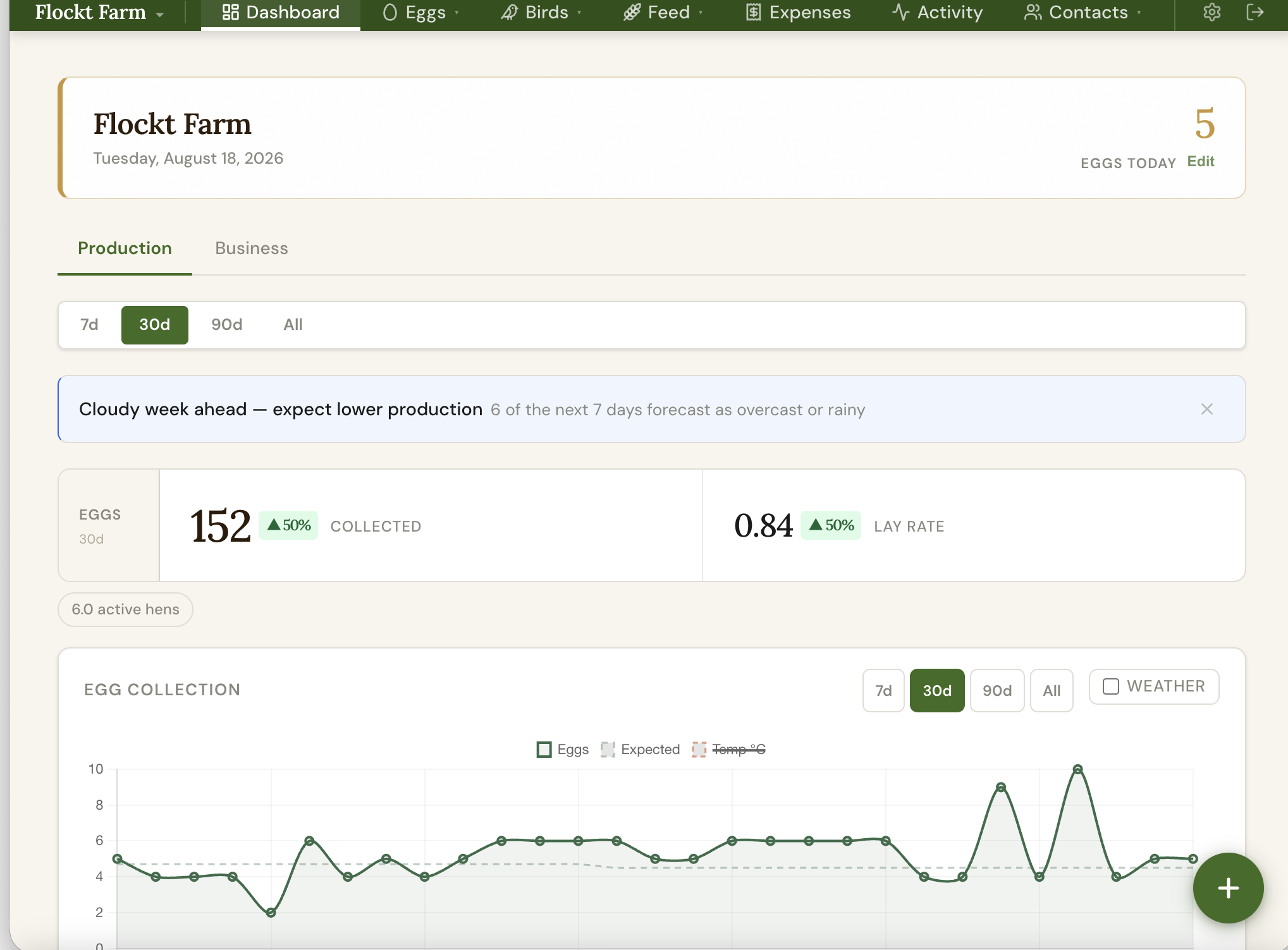
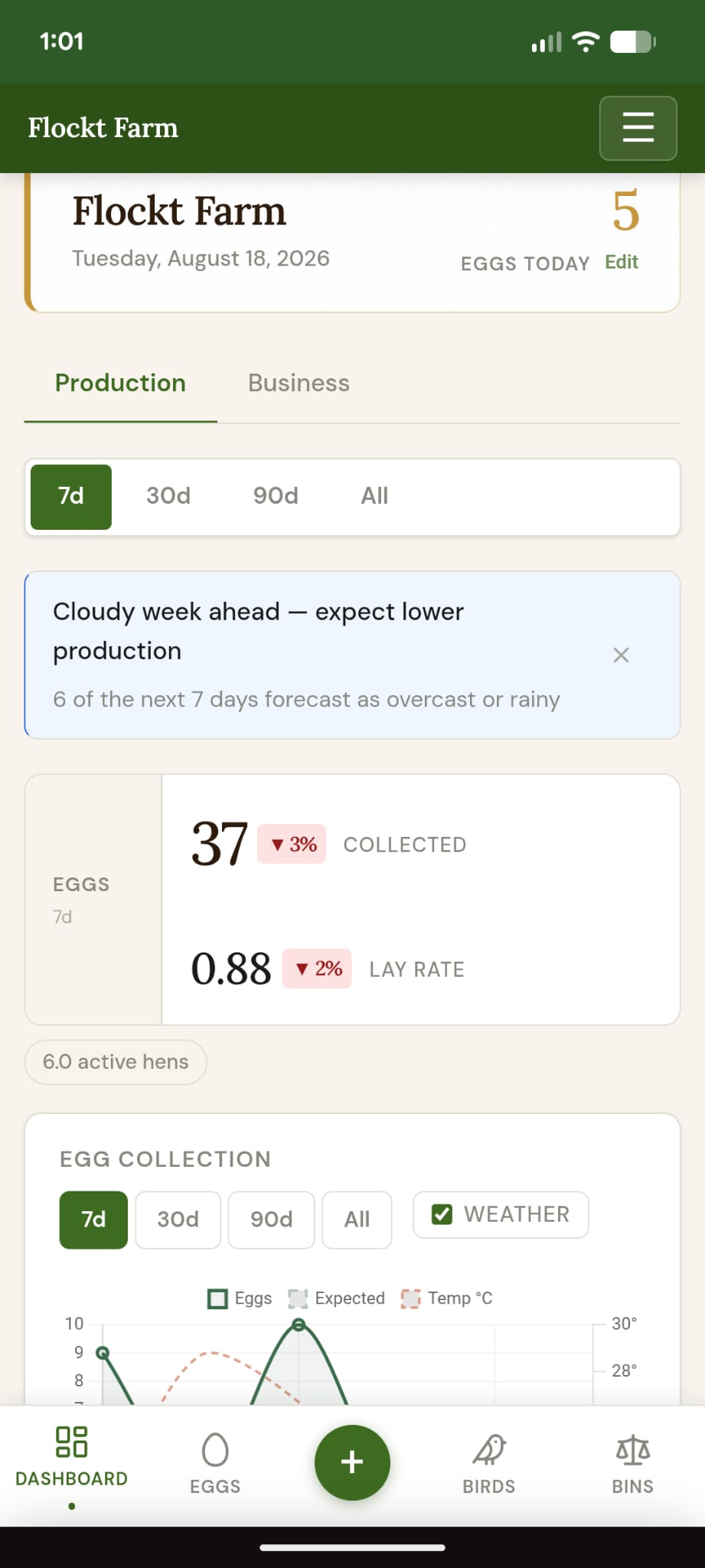
A flock management app for backyard and hobby farmers — egg collection, feed inventory, health records, and P&L in one place. Built solo and shipped. Real users, real data, real coop.
I'm looking for AI engineering roles where engagement design, ethical product thinking, and technical depth all matter. Particularly interested in conversational AI, agentic systems, and teams that care about building things responsibly. Open to full-time, contract, or compelling collaborations.